

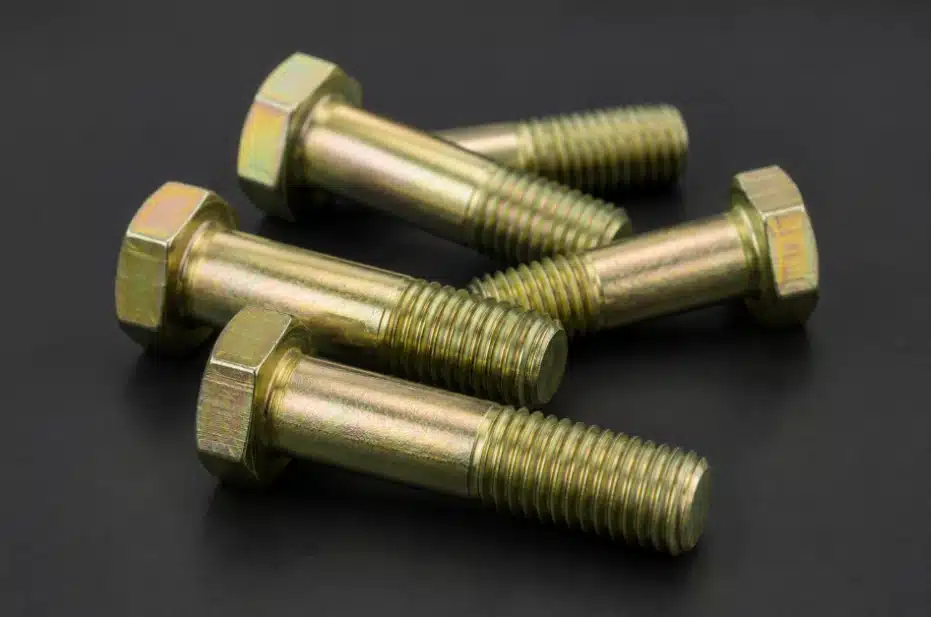
When it comes to protecting critical aerospace and defense components, few finishing processes have stood the test of time like cadmium plating. Despite increasing regulatory scrutiny and the development of alternative coatings, cadmium continues to be specified for many mission-critical applications because of its unmatched combination of corrosion resistance, lubricity, and compatibility with aerospace materials.
For aircraft manufacturers, defense contractors, and OEMs, reliability isn’t optional. Components must perform in some of the harshest environments imaginable—from salt-laden coastal air to extreme temperature fluctuations at altitude. That’s where cadmium plating continues to prove its value.
What is Cadmium Plating?
Cadmium plating is an electroplated metallic coating applied primarily to steel and high-strength alloy components. The coating acts as a sacrificial barrier, protecting the base metal from corrosion while providing excellent lubricity and electrical conductivity.
For decades, cadmium has been the coating of choice for aerospace fasteners, landing gear hardware, structural components, and other critical assemblies where failure is not an option.
How the Cadmium Plating Process Works
While the exact process may vary depending on customer specifications and part requirements, cadmium plating generally involves several key steps:
Surface Preparation
Parts are thoroughly cleaned to remove oils, oxides, and contaminants. Proper preparation is essential to ensure strong adhesion and consistent coating quality.
Electroplating
Components are submerged in a cadmium plating bath where an electrical current deposits a controlled layer of cadmium onto the surface of the part.
Post-Plating Treatments
Depending on the application, parts may undergo:
- Chromate conversion coating
- Hydrogen embrittlement relief baking
- Thickness verification and quality inspection
- Additional testing required by aerospace or military specifications
The result is a durable, corrosion-resistant coating that provides long-term protection in demanding environments.
Why Aerospace Engineers Continue to Specify Cadmium
While many alternative coatings have entered the market, cadmium remains difficult to replace because it offers several unique performance advantages.
Exceptional Corrosion Resistance
Cadmium provides outstanding protection against atmospheric and saltwater corrosion. Because it acts sacrificially, the coating corrodes before the underlying steel, helping extend component life and reduce maintenance costs.
Superior Lubricity
The naturally low coefficient of friction makes cadmium ideal for threaded fasteners and moving assemblies. This helps prevent galling, improves torque consistency, and simplifies installation.
Compatibility with Aluminum Structures
One of cadmium’s most valuable characteristics is its galvanic compatibility with aluminum. Since aluminum is widely used throughout aircraft structures, cadmium-plated steel fasteners help minimize galvanic corrosion that can occur when dissimilar metals come into contact.
Reliable Electrical Conductivity
Cadmium plating provides corrosion protection without sacrificing electrical performance, making it suitable for a variety of aerospace and defense applications.
Industries That Rely on Cadmium Plating
Aerospace
The aerospace industry remains the largest user of cadmium plating. Common applications include:
- Aircraft fasteners
- Structural hardware
- Landing gear components
- Hydraulic systems
- Engine hardware
Defense & Military
Military equipment is often exposed to harsh environments where corrosion protection is critical. Cadmium plating is frequently specified for:
- Weapons systems
- Ground support equipment
- Military aircraft
- Naval and defense hardware
Industrial & Marine Applications
Although aerospace and defense account for the majority of demand, certain industrial and marine applications continue to utilize cadmium where maximum corrosion resistance is required.
Cadmium Plating in Today’s Manufacturing Environment
The conversation surrounding cadmium plating has evolved significantly over the last several decades.
Due to environmental and health concerns, regulatory agencies worldwide have imposed strict controls on the use and disposal of cadmium-containing materials. As a result, many manufacturers have explored alternatives such as zinc-nickel, zinc-cobalt, and other advanced corrosion-resistant coatings.
However, many aerospace and defense specifications continue to require cadmium plating because alternative coatings do not always provide the same combination of corrosion resistance, lubricity, and compatibility with aluminum structures.
As aircraft fleets age and maintenance requirements continue to grow, demand for qualified cadmium plating suppliers remains strong. Aerospace manufacturers and MRO providers continue to seek finishing partners capable of meeting rigorous industry specifications while maintaining full environmental compliance.
Partner with Aerospace Metals for Your Cadmium Plating Requirements
When performance, reliability, and specification compliance matter, choosing the right finishing partner is essential.
At Aerospace Metals, we provide high-quality cadmium plating services for aerospace, defense, and industrial customers throughout the United States and globally. Our experienced team understands the critical requirements of aerospace hardware and is committed to delivering consistent quality, fast turnaround times, and exceptional customer service.
Whether you’re processing prototype components, production hardware, or urgent AOG requirements, we’re here to help.
Request a quote today to learn how Aerospace Metals can support your next cadmium plating project.
📞 Contact our team today
📧 info@aerospacemetalsllc.com
🌐 www.aerospacemetalsllc.com
Need cadmium plating, chem film, anodizing, electroless nickel, or other aerospace-approved finishing services? Aerospace Metals is your trusted source for precision metal finishing solutions.