

Comprehensive Plating Services.
- Quick Specifications
Processes
Zinc, Nickel, Chrome, Copper, Tin, Specialty
Certifications
ISO 9001:2015, Nadcap (aerospace)
Lead Times
10-14 days standard, rush available
Industries
Aerospace, Defense, Automotive, Medical
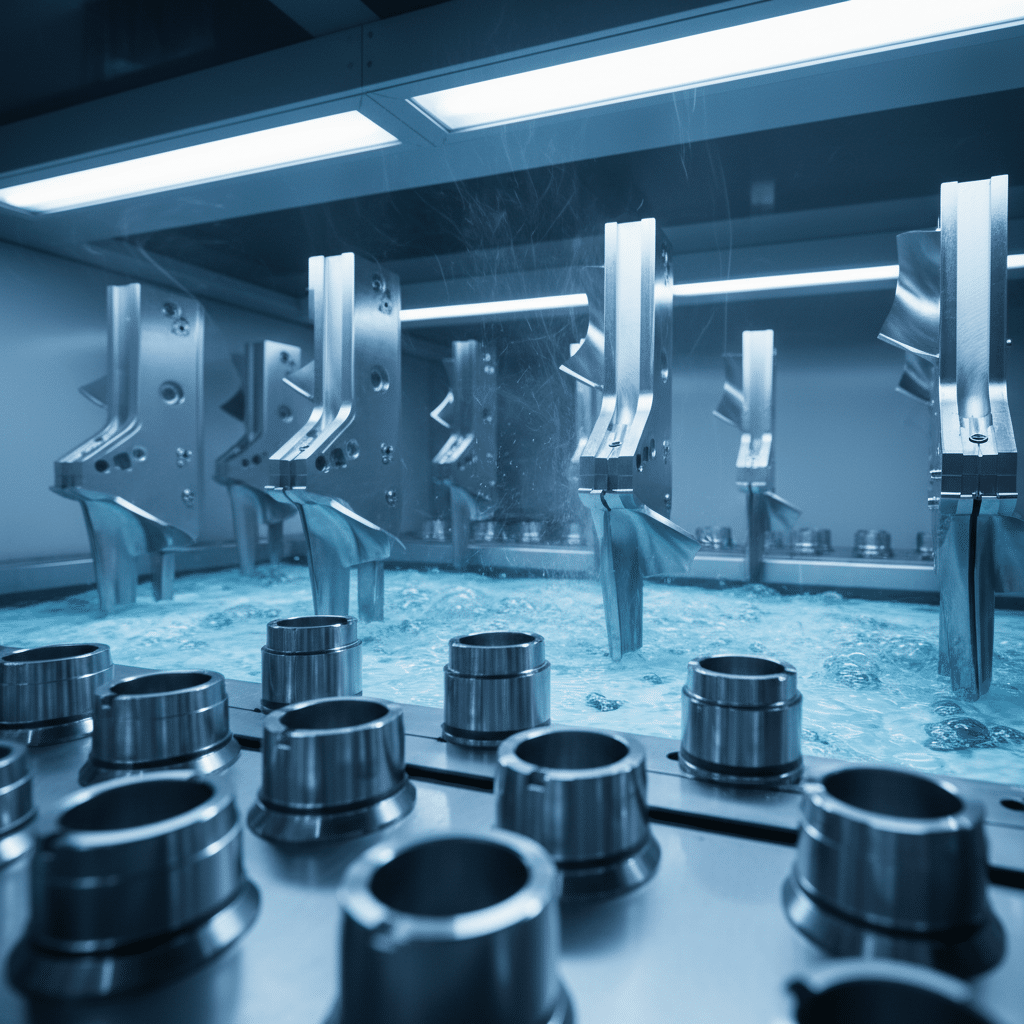

Electrochemical Surface Enhancement
Metal plating is an electrochemical or chemical process that deposits a thin layer of metal onto a substrate to enhance corrosion resistance, improve conductivity, increase durability, provide wear resistance, or achieve specific aesthetic appearances.
At Aerospace Metals, we manage a comprehensive range of plating services through our integrated production cells. Our operations maintain ISO 9001:2015 certification at a minimum, with Nadcap-accredited cells available for aerospace and defense critical applications.
- Corrosion resistance
- Wear resistance
- Complex geometries
- Improved conductivity
- Aesthetic finishes
- Tight tolerances
Our Plating Capabilities
Zinc & Zinc-Alloy Plating
Zinc and zinc-alloy plating provides exceptional corrosion protection for steel components at cost-effective pricing.
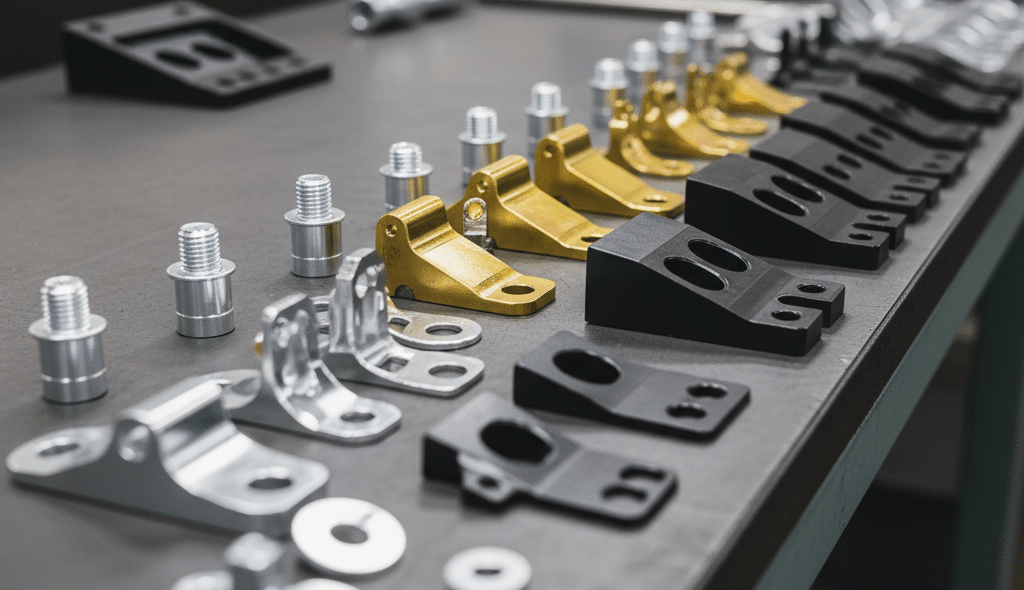
Zinc Plating (Electroplated)
Standard zinc plating for general corrosion protection. Thickness: 0.0002" - 0.0005"
Black Zinc-Nickel Plating
Combines corrosion resistance with low-reflectivity black finish.
Zinc-Nickel Plating
Superior corrosion resistance (10-15x better). 12-15% nickel content.
Zinc-Iron Plating
Cost-effective alternative with excellent paintability and weldability.
Nickel & Chrome Plating
Nickel and chrome plating provide excellent corrosion resistance, hardness, wear resistance, and aesthetic appeal.
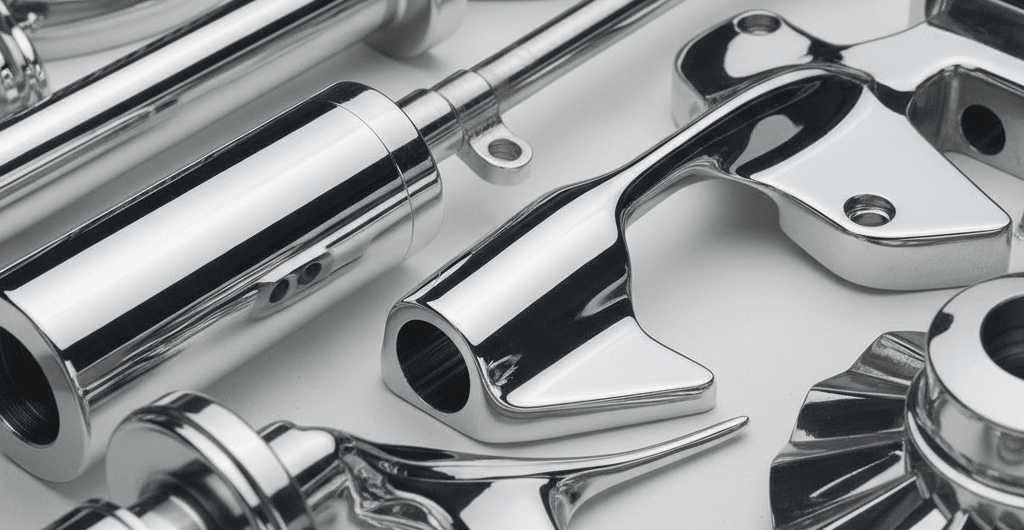
Bright Nickel Plating
High-luster reflective finish with excellent corrosion resistance.
Hard Chrome Plating
Extremely hard surface (65-70 HRC). Exceptional wear resistance.
Black Chrome Plating
Dark finish with solar absorption properties.
Electroless Nickel Plating
Uniform thickness on complex geometries. Mid-Phos (4-9% P) or High-Phos (10-13% P).
Decorative Chrome Plating
Bright, reflective aesthetic finish over nickel undercoat.
Copper & Tin Plating
Copper and tin plating provide excellent electrical conductivity, thermal conductivity, and solderability.
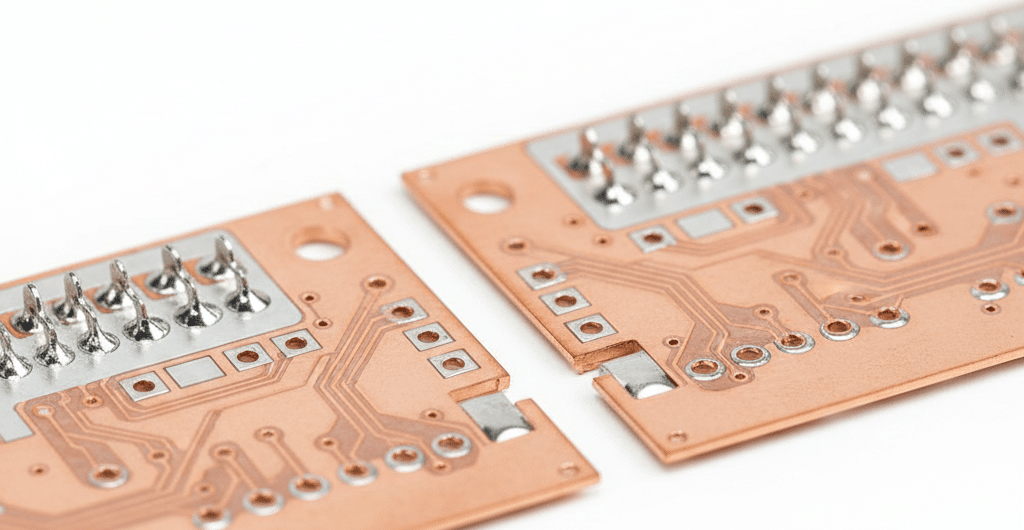
Copper Plating
Excellent electrical and thermal conductivity. Improves adhesion between dissimilar metals.
Tin-Lead Plating
Traditional solder-ready coating (various ratios). Note: RoHS restrictions apply.
Tin Plating
Superior solderability, food-safe. Available in Bright, Matte, or Solder-Friendly finishes.
Specialty & Functional Plating
Specialty plating for unique performance requirements, aesthetic demands, or specific industry applications.
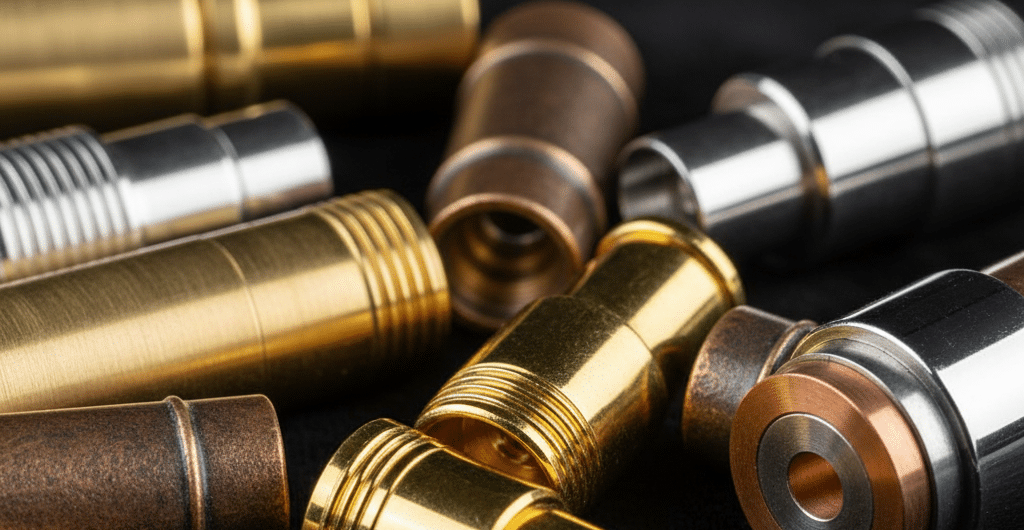
Brass Plating
Decorative gold-like appearance without precious metal cost.
Silver Plating
Highest electrical & thermal conductivity. Excellent solderability and antimicrobial properties.
Multi-Layer Plating Systems
Copper-Nickel-Chrome, Nickel-Gold, and custom combinations.
Gold Plating
Exceptional corrosion resistance, excellent conductivity, luxury appearance.
Bronze Plating
Antique or vintage aesthetic appearance with corrosion resistance.
EMI/RFI Shielding
Copper, nickel, or silver plating for electromagnetic interference protection.
Steel & Stainless Treatments
Surface treatments specifically designed for steel and stainless steel substrates.
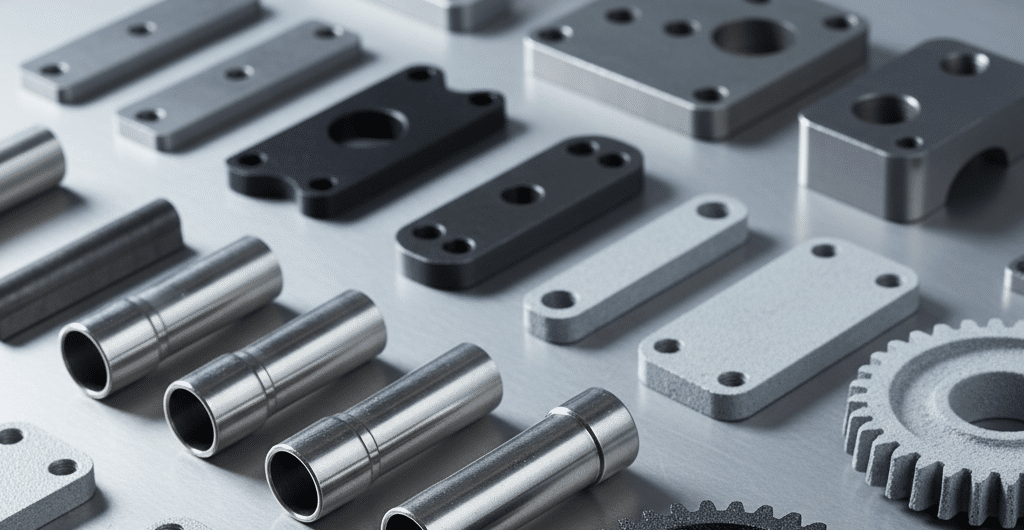
Zinc Phosphate Coating
Paint adhesion and corrosion protection. Pre-treatment for powder coating.
Stainless Steel Passivation
Removes free iron and enhances natural oxide layer. Standards: ASTM A967, AMS 2700.
Aluminum Conversion Coatings
Chemical film (Alodine, Chem Film) for aluminum corrosion protection.
Manganese Phosphate Coating
Excellent oil retention for wear reduction. Ideal for gears and moving parts.
Black Oxide for Steel
Black finish with minimal dimensional change (~0.000001"). Reduces glare.
Pre-Treatment & Support Processes
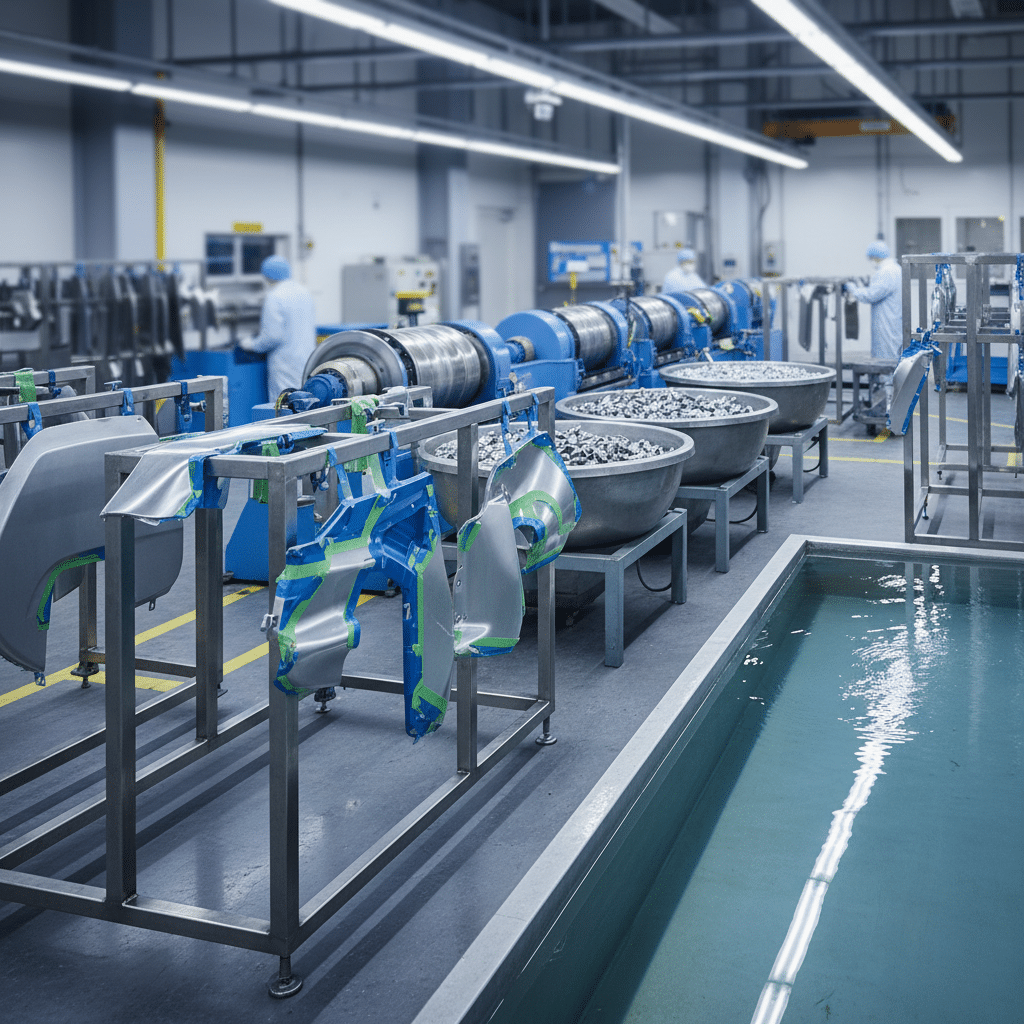
Quality plating starts with proper preparation. We provide comprehensive pre-treatment services and flexible processing methods.
- Pre-Treatment Services
- Alkaline & acid cleaning
- Etching & pickling
- Selective masking
- Surface activation
- Oxide removal
- Precision fixtures
- Processing Methods
Rack
Complex parts, precise control
Barrel
High-volume, cost-effective
Vibratory
Complex shapes, moderate volume
Choosing the Right Plating Process
| Performance Requirement | Best Options | Good Options |
|---|---|---|
| Corrosion Protection | Zinc-Nickel, Electroless Nickel, Cadmium | Zinc, Tin, Chrome, Nickel |
| Wear Resistance | Hard Chrome, High-Phos Electroless Nickel | Electroless Nickel, Nickel |
| Electrical Conductivity | Silver, Copper | Gold, Tin |
| Solderability | Tin, Silver | Gold, Copper |
| Cost-Effectiveness | Zinc, Black Oxide | Tin, Copper, Nickel |
Plating Solutions Across Industries
Aerospace & Aviation
- Cadmium plating for fasteners
- Zinc-nickel for high-performance hardware
- Silver plating for electrical contacts
- Hard chrome for hydraulic cylinders
Automotive
- Zinc and zinc-iron for body panels
- Decorative chrome for trim
- Black zinc-nickel for underbody
- Tin for electrical connectors
Medical Devices
- Electroless nickel for surgical instruments
- Gold plating for implants
- Passivation for stainless devices
- Silver for antimicrobial applications
Electronics & Telecommunications
- Gold plating for connectors
- Tin for solderability
- Silver for conductivity
- Nickel for EMI/RFI shielding
Industrial Equipment
- Hard chrome for wear surfaces
- Zinc for corrosion protection
- Electroless nickel for hydraulics
- Black oxide for tooling

Available Certifications Across Network
ISO 9001:2015
AS9100 Rev D
Nadcap
ITAR Registered
- Standards Compliance
- ASTM specifications
- MIL-SPEC requirements
- RoHS compliance
- ASTM specifications
- SAE standards
- REACH compliance
- Testing & Documentation
- Thickness measurement (XRF)
- Thickness measurement (XRF)
- Certificates of Conformance
- Adhesion testing
- Hydrogen embrittlement relief
- Full traceability
Expert Plating Coordination.
Comprehensive Capabilities
Access to 20+ plating processes from a single source.
Quality Assurance
ISO 9001:2015 minimum. Nadcap-accredited for aerospace/defense.
Process Expertise
Technical consultation to help select the optimal process.
Multi-Process Projects
Coordinate machining, finishing, and plating seamlessly.
Fast Turnaround
Managed capacity for urgent projects without compromising quality. Rush service available for AOG and critical situations.
Complete Documentation
Full traceability for aerospace, medical, and defense.
FAQs
Which plating process should I use for corrosion protection?
How long does plating take?
Typical lead time is 10-14 days from when components arrive at our production facilities. The actual plating process takes hours, but includes pre-treatment, plating, post-treatment, and quality inspection. Rush service is available for critical projects.
Will plating change my part dimensions?
Can you plate aluminum parts?
What certifications govern your plating operations?
Our integrated production cells maintain ISO 9001:2015 certification at a minimum. For aerospace and defense projects, we utilize our Nadcap-accredited operations. AS9100 certified and ITAR-registered cells are also available for defense-related and critical aerospace applications.
Do you provide plating documentation?
What about hydrogen embrittlement?
Can you meet Mil-Spec requirements?
Yes. Our integrated production cells regularly process to military specifications including MIL-DTL-5541 (chemical conversion), MIL-C-8837 (cadmium), AMS 2424 (electroless nickel), and many others. Specify your Mil-Spec requirements when requesting a quote.