

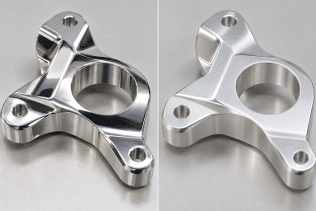
When appearance matters on an aluminum component, two finishing processes often come into consideration: mechanical polishing and bright dip anodizing. Both can produce an attractive, reflective surface, but they achieve that appearance in different ways—and offer different benefits.
Understanding these differences can help engineers, designers, and purchasing professionals specify the right finish for their application.
What Is Mechanical Polishing of Aluminum?
Mechanical polishing is a physical finishing process that smooths the surface of aluminum using progressively finer abrasives, buffing compounds, or polishing wheels.
The process removes microscopic peaks, scratches, machining marks, and other surface imperfections. Depending on the amount of preparation and polishing performed, aluminum can be taken from a relatively dull mill finish to a smooth, highly reflective, almost mirror-like appearance.
Benefits of Mechanical Polishing
One of the biggest advantages of mechanical polishing is surface control. Because material is physically removed, polishing can reduce or eliminate imperfections that a chemical treatment alone may not remove.
Mechanical polishing can provide:
- A smooth, highly reflective appearance
- Reduction of machining lines, scratches, and minor surface defects
- A premium cosmetic finish
- The ability to selectively polish specific areas
- Surface preparation for subsequent anodizing or other finishing operations
For decorative components where a very smooth or mirror-like surface is desired, mechanical polishing can be an excellent choice.
However, polishing alone does not provide the same corrosion and wear protection as anodizing. Bare polished aluminum can oxidize, become dull, show fingerprints, or develop staining over time unless it receives an additional protective finish.
What Is Bright Dip Anodizing?
Bright dip anodizing involves a combination of finishing processes.
Before anodizing, aluminum is immersed in a specialized chemical brightening solution. This treatment chemically smooths microscopic surface irregularities, increasing reflectivity and producing a brighter, more lustrous appearance.
The component is then anodized, creating a controlled aluminum oxide layer on the surface. Depending on the specification and desired appearance, the anodized part may remain clear or be dyed before sealing.
The result is an attractive metallic finish combined with the protective properties of anodizing.
Benefits of Bright Dip Anodizing
Bright dip anodizing is particularly valuable when both appearance and protection are important.
Benefits can include:
- A bright, reflective aluminum appearance
- Improved corrosion resistance
- Greater surface durability than untreated polished aluminum
- Better resistance to oxidation and discoloration
- The ability to produce clear or colored decorative finishes
- A more consistent finish across properly controlled production quantities
- A sealed anodic coating that helps maintain the appearance of the aluminum
Bright dip anodizing is particularly useful for decorative aluminum components, architectural hardware, trim, consumer products, automotive components, lighting products, and other applications where appearance is an important part of the finished product.
Mechanical Polishing and Bright Dip Anodizing Are Not Necessarily Either/Or
Mechanical polishing and bright dip anodizing are not always competing processes.
In many high-end cosmetic applications, they can be used together.
Mechanical polishing can first remove scratches, machining marks, extrusion lines, or other imperfections to create the desired underlying surface. The component can then be chemically bright dipped and anodized.
This combination can produce a highly attractive, reflective surface while providing the corrosion resistance and durability associated with anodizing.
The final anodized appearance depends heavily on the condition of the aluminum before anodizing. Anodizing generally does not hide scratches, dents, tooling marks, or other significant surface defects. In some cases, it can make those variations more noticeable.
For this reason, proper surface preparation is critical when cosmetic appearance is a primary requirement.
Aluminum Alloy Matters
Not every aluminum alloy responds to bright dipping in the same way.
The alloy’s chemical composition can significantly affect brightness, color, clarity, and overall appearance. Aluminum alloys specifically suited to decorative finishing generally produce the best results.
Higher concentrations of alloying elements such as silicon, copper, or other constituents can influence the finished anodized surface. Some alloys may appear gray, cloudy, darker, or less reflective after processing.
This is why alloy selection should ideally be considered during the design stage rather than after parts have already been manufactured.
When appearance is critical, producing and approving sample parts before a full production run is often the best approach.
Which Finish Should You Choose?
The correct finishing process depends on the requirements of the finished component.
Choose Mechanical Polishing When:
- An extremely smooth or mirror-like surface is the primary objective
- Significant machining marks or scratches need to be removed
- The component requires substantial cosmetic surface preparation
- Specific areas need to be selectively polished
Choose Bright Dip Anodizing When:
- A bright, decorative aluminum appearance is desired
- Corrosion protection is important
- Resistance to oxidation and discoloration is needed
- The application requires the durability of an anodized finish
Consider Mechanical Polishing Followed by Bright Dip Anodizing When:
- A premium cosmetic appearance is required
- The underlying aluminum needs additional preparation
- Both high reflectivity and protective anodizing are desired
Designing for the Best Result
The best cosmetic aluminum finishes usually begin long before parts reach the finishing department.
Alloy selection, extrusion quality, machining practices, handling, packaging, welding, and surface condition can all affect the final appearance.
If a part has a critical cosmetic requirement, designers, manufacturers, and anodizers should discuss the desired appearance early in the project.
A physical sample or approved appearance standard can also prevent misunderstandings about terms such as bright, polished, or mirror finish.
The Bottom Line
Mechanical polishing and bright dip anodizing accomplish different objectives.
Mechanical polishing physically improves and smooths the underlying aluminum surface. Bright dipping chemically increases surface brightness, while anodizing creates a protective oxide coating that helps preserve appearance and improve corrosion resistance.
For some applications, one process is sufficient. For demanding cosmetic applications, mechanical polishing followed by bright dip anodizing can provide the advantages of both.
Choosing the right process starts with understanding the aluminum alloy, the condition of the incoming surface, the environment in which the component will be used, and the appearance expected from the finished part.
Working with an experienced aluminum finisher early in the design process can help determine the most practical finishing sequence and avoid costly cosmetic problems once production begins.