

TIG Welding.
- Quick Specifications
Lead Time
5-10 business days
Certifications
AWS D17.1
Compatible Materials
Stainless Steel, Aluminum, Titanium, Inconel, Carbon Steel, Copper Alloys
Industries
Aerospace, Medical, Food & Beverage, Energy, Defense
TIG Welding
TIG (GTAW) welding produces the highest quality welds with excellent control over heat input and filler metal deposition. The process is essential for aerospace, medical, and food-grade applications where weld quality, appearance, and material integrity are critical.
Our certified welders hold qualifications for aerospace primes and meet AWS D17.1 and other demanding specifications. TIG welding is available for aluminum, stainless steel, titanium, and exotic alloys.
- Superior weld quality
- Precise control
- Excellent appearance
- All positions
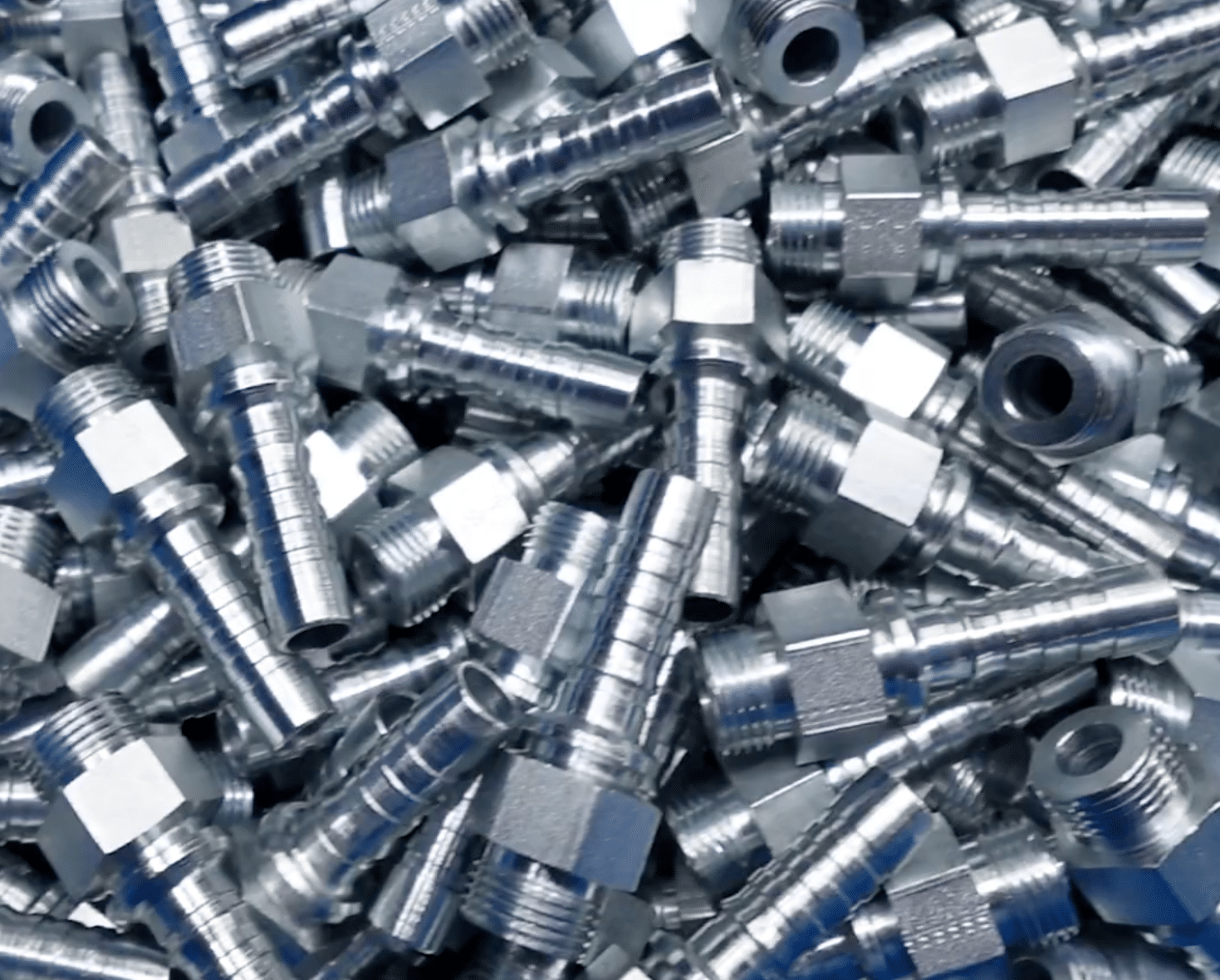

How TIG Welding Works.
Weld Prep
Joint preparation, fit-up, and cleaning ensure optimal weld quality.
Procedure Review
Welding procedure specification (WPS) confirms parameters for your material and application.
TIG Welding
Certified welders execute precision TIG welds with controlled heat input.
Weld Inspection
Visual inspection, dye penetrant, or X-ray as specified for your application.
Post-Weld Finishing
Grinding, polishing, or passivation as required for final appearance.
TIG Welding Solutions Across Industries
Aerospace & Aviation
Food & Beverage
Medical Services
Energy
Defense

Available Certifications Across Our Production Cells
AWS D17.1
AWS D1.1
ASME Section IX
Nadcap
ISO 9001
Technical Specifications
Compatible Materials
Aluminum
Titanium
Inconel
Stainless Steel
Carbon Steel
Copper Alloys
Available Processes
Manual TIG
Orbital Welding
Pulse TIG
Hot Wire TIG
Frequently Asked Questions
What materials do you TIG weld?
We specialize in TIG welding aerospace grade aluminum, stainless steel, titanium, Inconel, and various exotic alloys.
Are your welders certified?
Yes, our welders hold certifications to AWS D17.1 for aerospace applications, as well as AWS D1.1 and ASME Section IX, ensuring the highest level of joint integrity.
Do you offer automated or orbital welding?
Yes. Alongside precision manual TIG welding, we utilize automated orbital welding for repeatable, flawless tube and pipe joints required in aerospace and medical applications.
What industries do you provide welding for?
Our integrated manufacturing cells routinely provide critical welding for the aerospace, defense, medical device, and high performance industrial sectors.
How do you inspect and verify weld quality?
We perform comprehensive non-destructive testing (NDT) including visual inspection, dye penetrant inspection, and X-ray testing to verify that all welds meet strict specifications.
Can you handle both machining and welding for an assembly?
Absolutely. As a fully integrated manufacturer, we can CNC machine your components and weld them into complex assemblies all under one roof.
Do you provide post-weld surface finishing?
Yes. After welding, components can be routed directly to our mechanical finishing cells for grinding and polishing, or to our chemical lines for passivation, anodizing, or plating.
What documentation do you provide with welded assemblies?
We supply complete documentation including First Article Inspection (FAI) reports, material certifications, weld procedure specifications (WPS), and non-destructive testing reports.